Cessna Nose Gear Strut Assembly: Front Landing Gear Maintenance Solution
Cessna Nose Gear Strut Assembly: Front Landing Gear Maintenance Solution
Blog Article
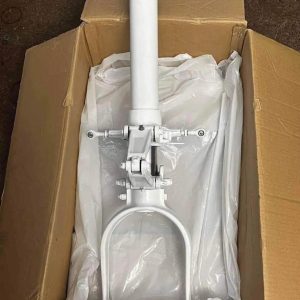
The Cessna Nose Gear Strut Assembly combines load support, controlled compression, wheel positioning, and steering-related functions within the aircraft’s complete landing-gear system.
Accurate use of these keywords improves search relevance without implying universal compatibility across the Cessna product line.
Whether described as an Aircraft Nose Landing Gear Assembly or Cessna Shock Strut Assembly, the unit should be evaluated as part of the complete airframe and landing-gear system.
A Cessna Nose Gear Shock Absorber may use fluid, gas pressure, mechanical movement, or another model-specific arrangement to manage landing and taxi loads.
A Cessna Steering Strut Assembly may interact with steering rods, collars, torque links, springs, stops, bushings, and model-specific linkage components.
Reviewing the Cessna Front Gear Configuration
A unit should not be accepted as compatible solely because it came from an aircraft within the same general Cessna family.
The buyer should determine whether the listing includes a complete Cessna Nose Gear Assembly or only selected parts of the system.
Evaluating Landing Gear Structural Responsibilities
The nose gear supports a portion of the aircraft’s ground weight and transfers loads into designated airframe attachment points.
Repeated hard landings, runway excursions, towing incidents, shimmy, improper servicing, corrosion, and maintenance errors can affect both the strut and nearby structure.
Shock Absorption and Strut Compression
Proper operation depends on correct servicing, internal condition, seal integrity, surface finish, alignment, and absence of contamination.
Servicing values should come from applicable maintenance information rather than estimates based on another Cessna model.
Maintaining Predictable Taxi Control
Loose steering components can contribute to poor directional response, uneven tire wear, shimmy, and unpredictable ground handling.
Towing procedures should respect the aircraft’s Cessna Front Landing Gear Assembly steering limitations.
Aircraft Model and Serial-Range Compatibility
The phrase Cessna Nose Gear Strut Assembly should not be interpreted as compatibility with every Cessna aircraft.
Qualified applicability research supports responsible Cessna Replacement Nose Gear selection.
Cylinder, Piston, and Sliding-Surface Inspection
Detailed inspection supports reliable Aircraft Nose Gear Strut evaluation.
The piston should move through the permitted range without binding, roughness, excessive side play, or abnormal resistance.
Understanding Strut Seal Maintenance
Fluid leakage around the piston, seals, fittings, plugs, or servicing points can indicate deteriorated seals, damaged surfaces, loose components, contamination, or incorrect assembly.
Incorrect seal material, damaged installation tools, contaminated fluid, or improper assembly can lead to early failure.
Corrosion and Environmental Exposure
Pitting depth, location, and remaining material can influence repairability or replacement decisions.
The component should be stored in a dry, controlled environment before installation.
Determining the Need for Nondestructive Testing
The assembly should be inspected for cracks, bending, twisting, damaged welds, distorted mounting features, and impact marks.
Straightening, welding, machining, or other repair history should be documented.
Maintaining Wheel and Tire Geometry
The wheel fork should be inspected for cracks, bending, corrosion, damaged mounting points, distorted axle bores, and signs of side loading.
Incorrect wheel spacing or fork alignment can create uneven loading and interference.
Evaluating Wear and Side Play
Dimensional inspection supports a durable repair.
Lubrication should follow the applicable schedule and use the appropriate product.
Understanding Ground Vibration Causes
Operational reports should identify when the vibration occurs and under what taxi or landing conditions.
Measurements and operational checks should support the maintenance decision.
Understanding Strut Inflation Procedures
Qualified maintenance supports predictable Cessna Shock Strut Assembly operation.
Pressurized components require suitable precautions because uncontrolled release can cause injury or damage.
Rebuilding a Cessna Nose Gear Strut
A seal replacement or exterior repaint does not necessarily constitute a complete overhaul.
Unauthorized welding, straightening, plating, machining, or hole enlargement can affect future eligibility.
Buying a Cessna Nose Gear Strut Assembly
The seller should provide photographs of every side, including the cylinder, piston, fork, axle, torque links, steering features, mounts, hardware, identification markings, and damaged areas.
- Request detailed photographs of the cylinder, piston, chrome surface, fork, axle, mounting areas, torque links, steering collar, bushings, seals, data markings, and included components.
- Do not treat clean paint, smooth movement, or a removed-serviceable statement as proof of current installation eligibility.
- Inspect and photograph the assembly immediately after delivery before cleaning, servicing, disassembling, repairing, painting, or installing it.
Safe Freight Handling Procedures
Loose hardware should be labeled, wrapped, and secured separately.
Pre-shipment photographs can document condition, included parts, and packaging before collection.
Preventing Corrosion and Seal Damage
The assembly should not rest directly on delicate fittings, the axle threads, polished surfaces, or unstable supports.
Preservation materials should be removed through appropriate procedures.
Professional Installation of the Nose Gear Strut
The technician should verify the part number, aircraft applicability, mounting points, dimensions, hardware, steering links, torque components, wheel fork, axle, and servicing requirements.
Fasteners should be installed, tightened, secured, and documented according to applicable procedures.
After installation, technicians should verify strut extension, servicing, leakage, steering response, wheel alignment, hardware security, tire clearance, and freedom of movement.
Reducing Landing Gear Wear
Small leaks, corrosion, looseness, tire wear, damaged coatings, unusual noise, or shimmy should receive timely attention.
Preventive care protects the aircraft, occupants, and landing-gear components.
Choosing a Documented Aviation Component
Honest product information strengthens buyer confidence and reduces disputes.
Commercial evaluation should focus on verified suitability rather than promotional claims.
Choosing the Cessna Nose Gear Strut Assembly
The Cessna Nose Gear Strut Assembly may suit private aircraft owners, flight schools, maintenance organizations, restorers, aviation dealers, and general aviation operators seeking an identifiable landing-gear component.
The assembly should be evaluated with the receiving aircraft’s structure, steering, wheel, tire, alignment, servicing, and installation requirements in mind.
Whether the assembly is purchased for maintenance, overhaul, restoration, spare inventory, resale, or an aircraft project, transparent information and qualified oversight provide the strongest foundation.
With responsible purchasing, crack and corrosion inspection, seal evaluation, correct hardware, controlled servicing, and ground-handling checks, the component can remain a valuable aviation asset.
Report this page